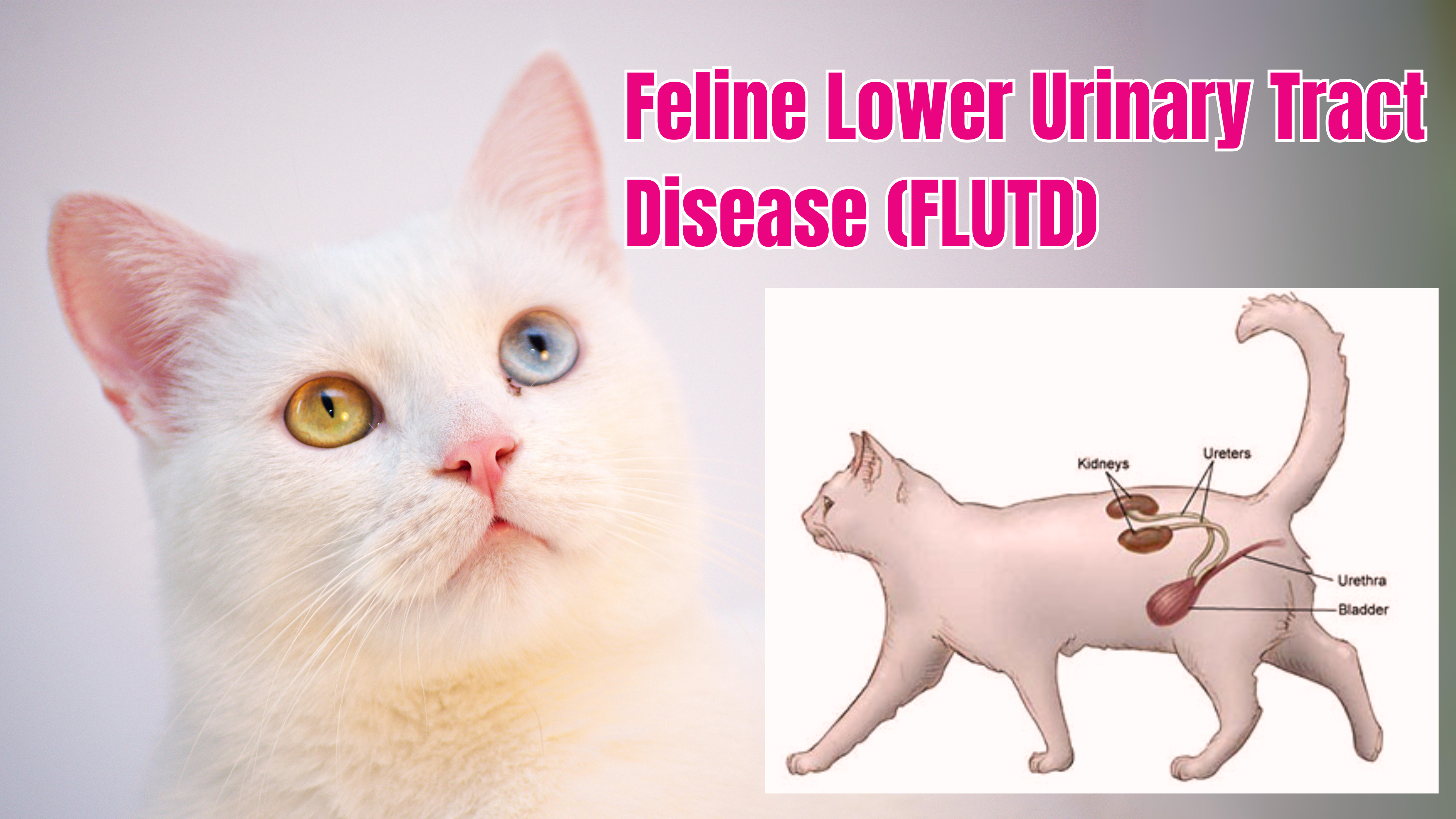
Feline Lower Urinary Tract Disease (FLUTD) is a common problem in cats that affects their bladder and urethra (the tube that carries urine out of the body). It can be very uncomfortable for your cat and sometimes even life-threatening if left untreated.
This article explores FLUTD in cats, including causes, signs, treatment options, and prevention tips to keep your feline friend healthy.
Signs of FLUTD in Cats
Cats with FLUTD often show signs of irritation and inflammation in their lower urinary tract. Here are some common signs to watch out for:
Going to the litter box more often (pollakiuria)
Difficulty urinating (dysuria) Your cat might strain for a long time in the litter box but pass only small amounts of urine.
Blood in the urine (haematuria)
Strong-smelling or cloudy urine
Urinating outside the litter box
Excessive grooming or licking of the genital area
Complete urinary blockage: If your cat can’t urinate at all, seek immediate veterinary attention. This is a serious emergency.
What Causes FLUTD?
There are many potential causes of FLUTD. In some cases, vets might not be able to find a specific cause (idiopathic FLUTD). Here are some possible reasons:
Urinary stones or bladder stones: These are found in about 20% of FLUTD cases in cats under 10 years old.
Bacterial infections: Less common in young cats but more likely in cats over 10.
Tumours in the bladder or lower urinary tract
Anatomical abnormalities: More common in young cats with long-term urinary tract problems
Urethral plugs: These blockages are formed from crystals, small stones, and inflammatory material.
Diagnosing FLUTD
Vets diagnose FLUTD based on signs of lower urinary tract inflammation and a urinalysis and blood test. If symptoms persist or recur, further tests may be needed to identify the cause. These tests might include:
Microscopic analysis of a urine sample
Bacterial culture of a urine sample
Blood tests for other urinary tract problems or systemic diseases like kidney disease
X-rays or ultrasounds of the bladder and urethra
Treatment for FLUTD
The treatment for FLUTD depends on the underlying cause. Here are some examples:
Antibiotics for bacterial infections
Urethral obstruction removal for blocked bladders (emergency treatment)
Surgery or special diets to remove bladder stones
There’s no one-size-fits-all treatment for FLUTD. Vets tailor treatment to the individual cat’s needs. Sometimes, even with proper diagnosis and treatment, signs may return. If that happens, further testing and treatment may be needed.
Preventing FLUTD in Cats
Completely preventing FLUTD is impossible. However, there are ways to reduce the risk:
Encourage water consumption: Make sure your cat has access to fresh water throughout the day.
Maintain a healthy weight: Obesity is a risk factor for FLUTD.
Provide opportunities for exercise: Indoor cats need playtime to stay active.
Consider a special diet: If your cat has had bladder stones, a special diet may help prevent them from coming back.
If you notice any of the signs of FLUTD in your cat, call your vet straight away. Early detection and treatment are key to managing FLUTD and keeping your cat comfortable.
Sources for Feline Lower Urinary Tract Disease (FLUTD)
Here are some credible sources for the information on Feline Lower Urinary Tract Disease (FLUTD) covered in this blog post:
Cornell University College of Veterinary Medicine: Feline Lower Urinary Tract Disease
Remember, early detection and treatment are key to managing FLUTD in cats. If you notice any of the signs mentioned earlier, don’t hesitate to contact Sugarland Animal Hospital at 07 4151 3550 or book an appointment here. Our experienced veterinarians will be happy to discuss your cat’s health and recommend the best course of action.
We are committed to providing your feline friend with the best possible care.
Thinking of adding a “Squishy-Faced” Pet to Your Family? Read This First!
Flat-faced pets can make wonderful companions, but they may need extra care. Learn about common health risks, daily needs, and what to consider before bringing one home.
Is your cat struggling to urinate? Here’s why you should never ignore the signs.
Frequent litter-box visits, straining, or passing little urine can signal a serious problem. Learn the warning signs and when your cat needs urgent veterinary care.
In a real emergency, the first few minutes matter most. Learn the 8 essential pet first aid skills every Bundaberg pet owner should have — from heatstroke and snake bites to bleeding and seizures.